
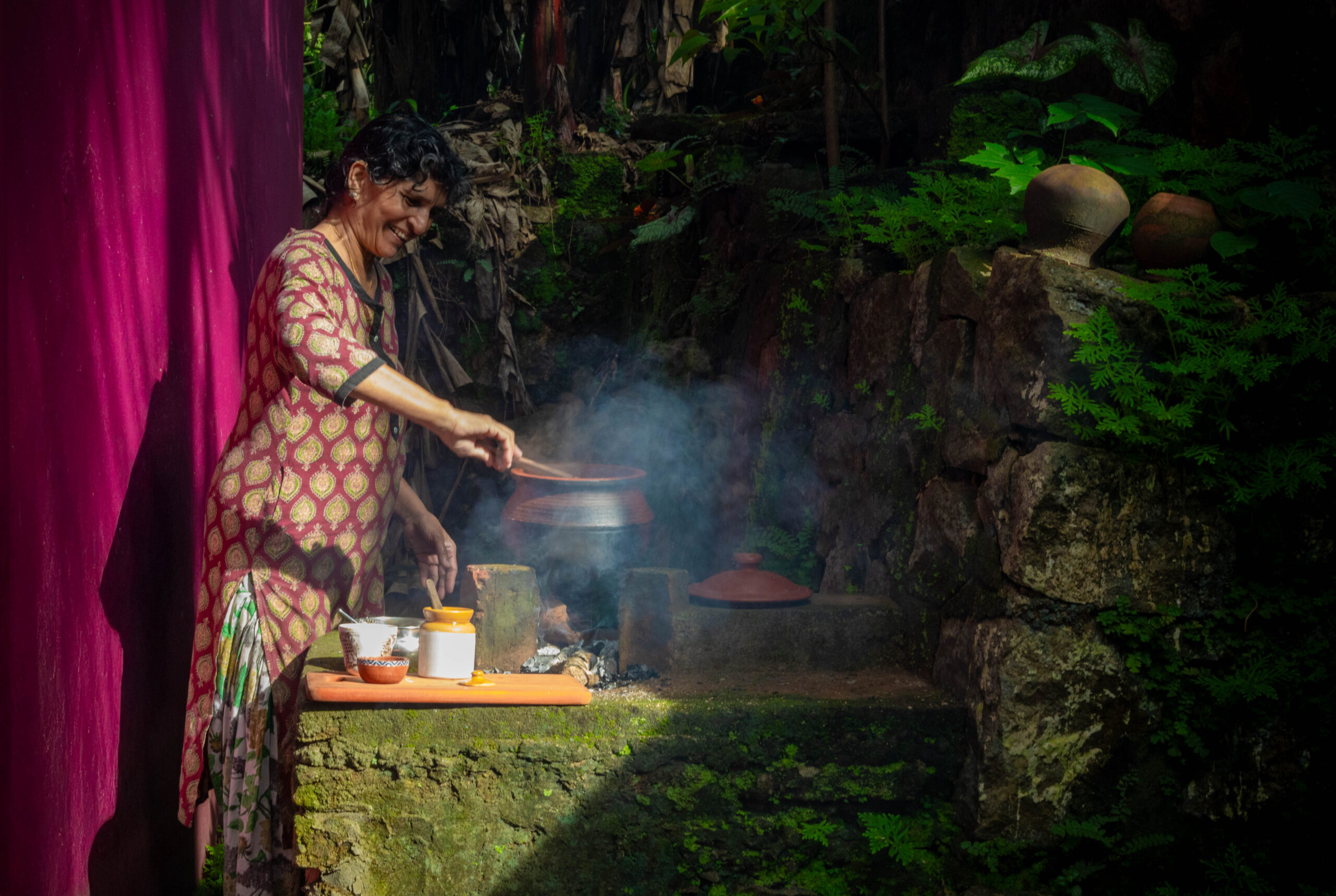
When the rains arrive in Kerala, they bring more than just water. They invite us to slow down, cleanse, and realign with nature. For centuries, the people of Kerala have followed a timeless Ayurvedic tradition during this season: consuming Karkidaka Kanji, a medicinal rice porridge that nourishes the body, strengthens immunity, and honors the rhythm of the monsoons.
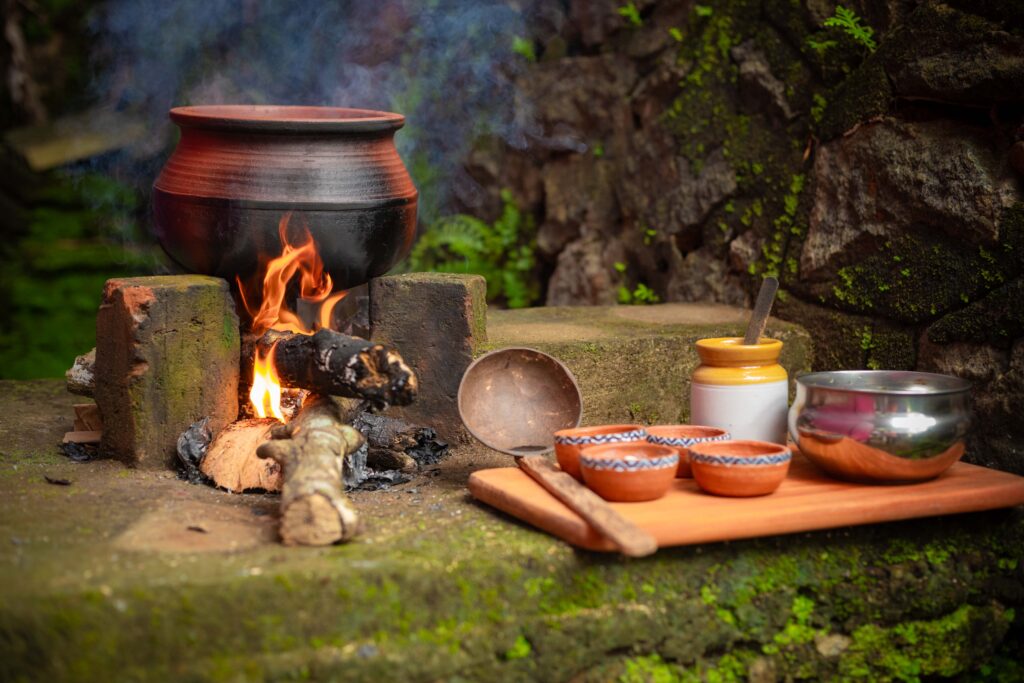
Why Karkidakam Matters
The Malayalam month of Karkidakam (mid-July to mid-August) marks the peak of the monsoon. According to Ayurveda, this is when our digestive fire weakens, and our immunity drops; making us more vulnerable to disease. But instead of fighting nature, ancient wisdom taught us to flow with it. Karkidaka Kanji isn’t just food – it’s a therapeutic ritual. A seasonal reset.
Food as Medicine: The Ayurvedic Philosophy
In Ayurveda, food is your first and most consistent form of healing. The Karkidaka Kanji is a gentle detoxifier, immunity booster, and strength builder, traditionally consumed for 7 to 21 days during the monsoon. It is ideally eaten after an oil bath in the mornings, when the body is relaxed and more receptive to nourishment.
This kanji is made with Njavara rice (Shashtika Shali) – a prized Ayurvedic grain known for its healing and rejuvenating properties, alongside herbs and spices carefully selected for their seasonal benefits.
Regional Variations & a Word of Caution
The ingredients used in Karkidaka Kanji often differ across Kerala, depending on what herbs are locally available in that region. While the base – Njavara rice, green gram, and essential spices remains fairly consistent, the supporting herbs can vary.
However, if you aren’t sure about the plants, don’t forage them yourself. Some medicinal herbs can look deceptively similar to toxic ones. Always use verified herbal kits or consult a qualified Ayurvedic practitioner before preparing your own mix.
The Ten Sacred Herbs: Dasapushpam
At the heart of many Karkidaka Kanji recipes lies Dasapushpam – a unique blend of ten sacred herbs revered in Kerala for their medicinal and spiritual power. These herbs are known to cleanse, restore, and align the body during the rainy season.
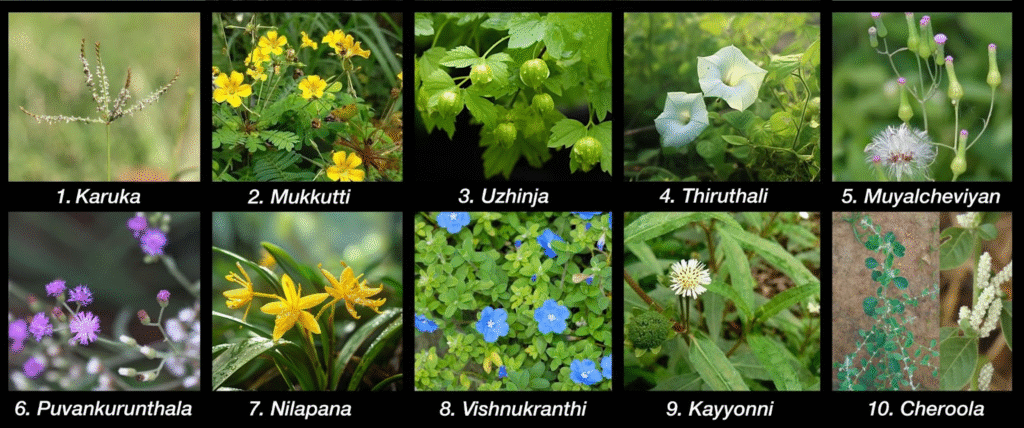
- Karuka (Cynodon dactylon) – Antimicrobial; supports skin, blood, and urinary health.
- Mukkutti (Biophytum sensitivum) – Anti-inflammatory; supports joint health and postnatal recovery.
- Uzhinja (Cardiospermum halicacabum) – Treats swellings, hair issues, and respiratory conditions.
- Thiruthali (Ipomoea maxima) – A cooling herb for liver, digestive, and nervous system health.
- Muyalcheviyan (Emilia sonchifolia) – Heals cough, eye issues, and intestinal worms.
- Puvankurunthala (Vernonia cinerea) – Purifies blood, supports skin, and treats inflammation.
- Nilapana (Curculigo orchioides) – Strengthens the reproductive and respiratory systems.
- Vishnukranthi (Evolvulus alsinoides) – Improves memory and calms the nervous system.
- Kayyonni (Eclipta alba) – Promotes liver health and hair growth; treats wounds.
- Cheroola (Aerva lanata) – A kidney tonic; reduces inflammation and helps manage blood sugar.
Dashamoola – The Ten Roots
Dashamoola, meaning “ten roots,” is a foundational Ayurvedic formulation widely used in monsoon healing. It’s especially useful for pacifying Vata dosha, which tends to get imbalanced during the rainy season, leading to joint pain, stiffness, fatigue, and respiratory issues.
The Ten Roots in Dashamoola:
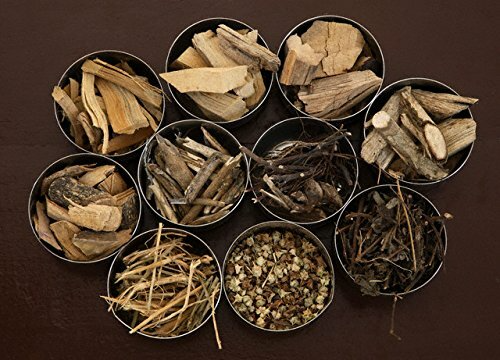
Brihat Panchamoola (The 5 large roots):
- Bilva (Aegle marmelos) – Digestive support, anti-inflammatory, tones the gut.
- Agnimantha (Clerodendrum phlomidis) – Reduces joint pain and swelling; urinary support.
- Shyonaka (Oroxylum indicum) – Respiratory health and immune support.
- Gambhari (Gmelina arborea) – Nervine tonic; supports vitality and recovery.
- Patala (Stereospermum suaveolens) – Eases inflammation; supports lung function.
Laghu Panchamoola (The 5 smaller roots):
1. Shalaparni (Desmodium gangeticum) – Strengthens immunity and fights fatigue.
2. Prishniparni (Uraria picta) – Regenerates tissue; excellent for joint and muscle health.
3. Brihati (Solanum indicum) – Clears phlegm; treats respiratory infections.
4. Kantakari (Solanum xanthocarpum) – Treats asthma and bronchitis; balances Vata-Kapha.
5. Gokshura (Tribulus terrestris) – Kidney and urinary support; boosts reproductive health.
Benefits of Dashamoola:
- Anti-inflammatory and pain-relieving
- Improves joint and muscle health
- Supports the nervous and respiratory systems
- Detoxifies the body
- Rejuvenates postpartum or during seasonal transitions
Panchakola Churna – Five Pungent Digestive Herbs
When digestion is sluggish due to humidity, Panchakola Churna is the Ayurvedic answer. This blend is heating, stimulating, and perfect for clearing Ama (toxins), boosting Agni (digestive fire), and balancing Vata and Kapha.
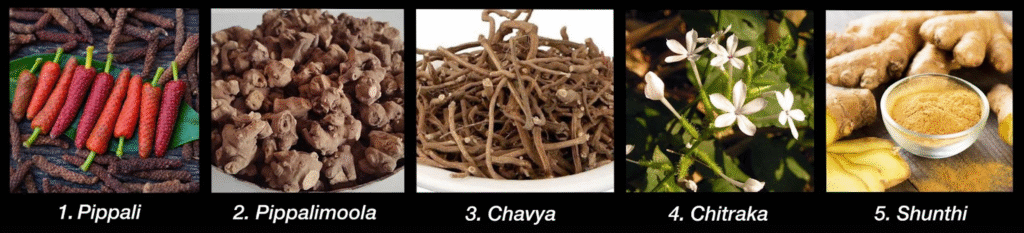
- Pippali (Piper longum / Long Pepper) – Stimulates digestion and metabolism.
- Pippalimoola (Root of Piper longum) – Warms the gut; clears mucus and heaviness.
- Chavya (Piper retrofractum) – Reduces gas and bloating; improves nutrient absorption.
- Chitraka (Plumbago zeylanica) – Strong deepana (digestive stimulant); burns toxins.
- Shunthi (Zingiber officinale / Dry Ginger) – Anti-inflammatory; soothes the gut and improves circulation.
Benefits of Panchakola Churna:
- Enhances appetite and digestion
- Clears toxins and metabolic waste
- Relieves gas, bloating, and heaviness
- Energizes the body during dull, damp monsoon days
- Prepares the gut to absorb the healing herbs in the kanji
Key Ingredients of the Kanji & Their Benefits
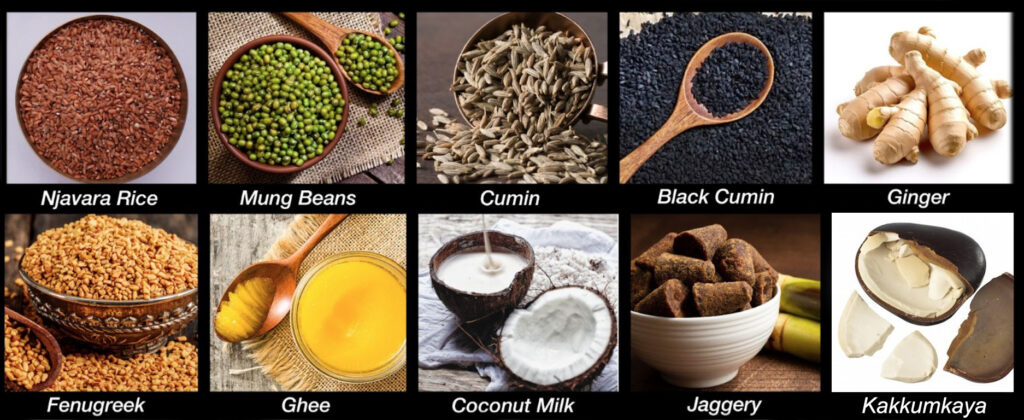
Njavara Rice – Rejuvenating, anti-inflammatory, and excellent for digestion.
Mung Beans & Green Gram – Cooling, detoxifying, and protein-rich.
Cumin, Black Cumin, Ginger, Fenugreek – Stimulate digestion and reduce bloating.
Ghee (Ghrita) – Lubricates joints, calms the nervous system, improves absorption.
Coconut Milk – Nourishing, dosha-balancing, and rich in healthy fats.
Jaggery – Natural sweetener that supports digestion and boosts iron.
Kakkumkaya (African Dream Seed, Entada rheedii) – Anti-inflammatory, antirheumatic, and rejuvenating
The Rhythm of Nature
Traditional Kerala life was beautifully synced with the land. Monsoons weren’t a disruption. They were a built-in invitation to rest and heal. People slowed down, avoided heavy foods, skipped meat and fried snacks, and allowed the body to recalibrate with light, medicinal meals like Karkidaka Kanji.
This is seasonal intelligence in practice – aligning your lifestyle with nature’s cycles instead of resisting them.
Can I Make It at Home?
Unless you’re well-versed in Ayurvedic herbs, don’t attempt to prepare this from wild plants on your own. Some herbs are very similar in appearance to toxic ones.
The safest option? Use trusted pre-mixed dry herbal kits available in Ayurvedic stores or online, especially during the Karkidakam season.
For optimal results, consume Karkidaka Kanji for 7 to 21 days, ideally in the morning or evening, after an oil bath or Abhyanga session.
A Tradition for Today
In a world obsessed with superfoods and detox plans, Karkidaka Kanji is the original wellness formula – simple, seasonal, and rooted in ancient wisdom. It’s an invitation to reconnect with your body, rediscover food as healing, and embrace the rhythms of nature.
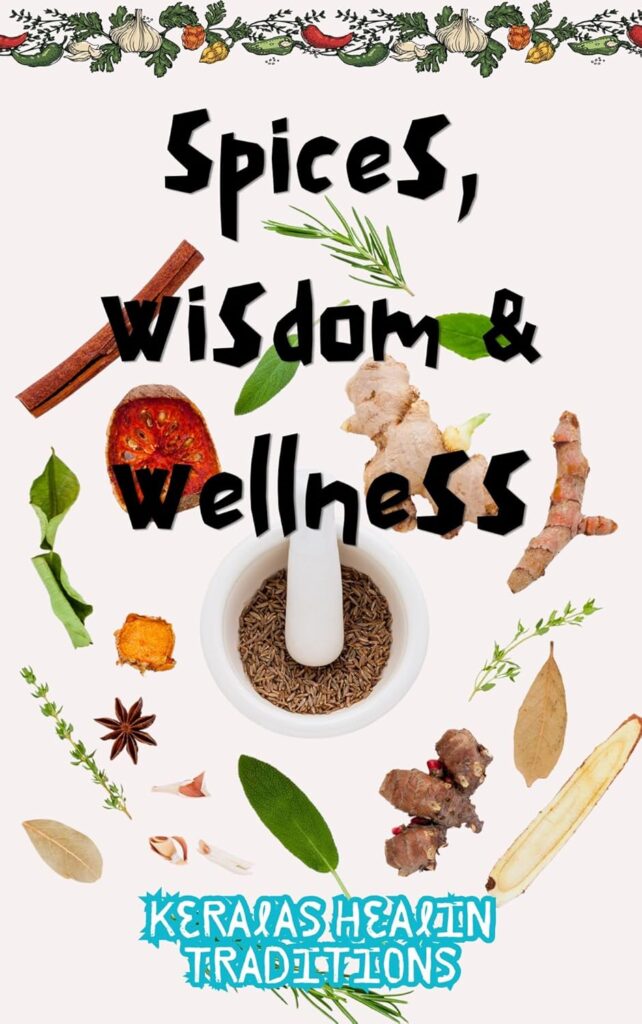
To explore the subject further, we highly recommend Spices, Wisdom, and Wellness: Kerala’s Healing Traditions. This insightful book draws on the ancient wisdom of Kerala, where food is seen not just as nourishment but as medicine. Each spice is revealed as more than a flavoring agent — it is a healing force that supports the body, mind, and vital energy. Blending tradition, health, and spirituality, the book invites readers to rediscover the kitchen as a space of holistic well-being.

One response
[…] Karkidaka Kanji The monsoon herbal porridge shows how humans once lived in rhythm with the seasons, relying on nature for cleansing, healing, and nourishment. […]